Are you seeking luxury new construction homes services in Morgan Hill? Evaluate choices, pricing, permissions, and how to select a trusted local builder.
Building a home from the ground up in South Santa Clara County is a big decision, and the process here looks different than in most parts of California. Lot sizes are larger, hillside grading rules are stricter, and the local design review can take longer than buyers expect. That is where HBC Construction comes in, helping local homeowners turn raw lots and dated properties into long-term family homes that match the area’s character.
This guide walks you through everything we wish more homeowners knew before signing a contract. You will learn the real options for expert luxury new construction homes services in Morgan Hill, how the build process actually unfolds, what affects your final cost, and how to vet a contractor without getting burned. We also answer the questions buyers ask us every week. By the end, you should feel ready to talk to a builder with confidence.
Why local homeowners choose custom over production builds
Production builders build quickly and provide predictable pricing, but you lose control over the layout, finishes, and orientation on the lot. For a community with big lots relevant to Jackson Oaks, sloped lots off of Llagas Road and with big oaks, that matters. A custom build gives you the option to put your kitchen where the morning sun lands, a setback from your neighbors, and scale rooms around how your family actually lives. Budget-friendly services for custom new home builders in Morgan Hill can provide this flexibility without incurring the exorbitant prices you may find in Saratoga or Los Altos Hills.
Going custom here offers a practical advantage as well. Due to rural zoning, many properties in that area have to have a septic system, water tank storage, and fire-truck turnaround. The Santa Clara County Department of Planning and Development notes that “new single-family residences on hillside parcels usually require three 5,000-gallon water storage tanks and grading approval before the issuance of any permit.” That’s something a production builder is not going to do. There will be a local custom team.
How can you tell whether a custom build will suit your family’s needs? The response is usually yes if you have an overall design, the lot is tricky, or if you plan to stay 15 years or more.
Types of new home builds and what fits the area
Not every “custom” build is the same. The right choice depends on your lot, your budget, and how much of the design you want to control. Here are the main paths buyers take when arranging Reliable Custom New Home Builders Services in Morgan Hill.
Full custom builds start from a blank sheet. You hire an architect, the builder bids the plans, and every detail is yours. Semi-custom builds start from a builder’s existing plan library and let you adjust finishes, room counts, and footprints. Modular construction uses factory-built sections assembled on site, which can shave months off the timeline. Then there are ADU-plus-main-home combinations, which have become popular since California’s ADU laws expanded.
For climate, anything you build here needs to handle hot dry summers and wet winters with occasional flooding near the Llagas Creek watershed. Stucco, fiber cement siding, and metal roofing perform well. Wood shake roofs are a poor choice given regional wildfire risk and most insurance carriers will push back.
A licensed contractor in Morgan Hill we spoke with put it plainly: “The lot tells you the house, not the other way around. People who fight their site spend more and end up unhappy.”
| Build Type | Timeline | Customization | Best For | Local Suitability |
| Full Custom | 12–18 months | Total control | Unique lots, specific vision | Excellent for hillside or oak-heavy lots |
| Semi-Custom | 9–14 months | Plan-based with edits | Buyers who want speed plus choice | Strong fit for flat in-town parcels |
| Modular | 6–10 months | Limited to plan library | Faster move-in, ADUs | Good for backyard ADUs and infill |
| Production | 6–9 months | Finishes only | First-time buyers, tight budget | Best in master-planned subdivisions |
How the custom home build process actually works
Most homeowners think construction starts when the foundation gets poured. Actually, the heavy lifting happens months before that. A real build moves through clear stages, and skipping any one of them creates problems later.
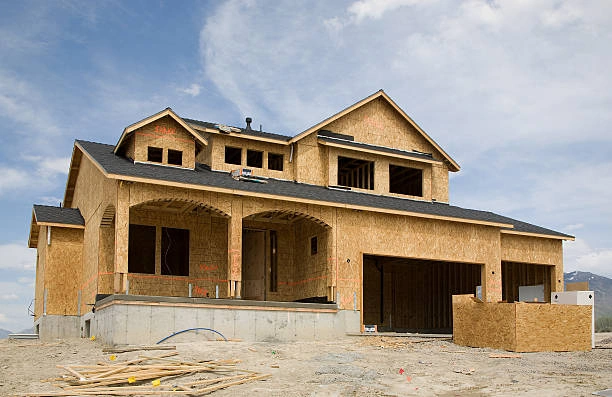
First comes site assessment and feasibility. Your builder walks the lot, pulls the title and zoning records, and checks for setbacks, easements, and slope. Then design and engineering, where architects and structural engineers produce stamped plans. Permitting comes next, and in this city it can take three to six months for a custom home, sometimes longer for hillside lots needing grading approval. Construction itself runs in a clear order: site prep, foundation, framing, mechanicals, drywall, finishes, landscaping, and final inspection.
Businesses that provide expert luxury new build services in Morgan Hill usually manage all of this under one contract, which prevents the gaps that arise when homeowners attempt to control subcontractors themselves. A 2024 industry report from the National Association of Home Builders found that single-family homes built in 2023 took an average of 10.1 months from permit to completion, custom homes averaging 12.5 months. That can be driven up by local conditions.
What is your day-to-day life like during construction? Get ready for weekly site meetings, deadlines for decisions on finishes, and three inspections at barometer dates.

Cost factors that shape your final budget
Plenty of variables move the needle on what you will spend for Affordable Custom New Home Builders Services in Morgan Hill. Square footage is the obvious one, but it is rarely the biggest swing.
Site and structural variables
Sloped lots are more expensive because they need engineered foundations, retaining walls and more grading than a flat lot. Soil tests sometimes indicate expansive clay that necessitates deeper footings. Building lots that lack existing utility connections can incur hefty costs for water, sewer, and electric service installations. Many country properties have septic systems and that adds more design and permitting overhead.
Design and finish variables
The complexity of your roof line, the ceiling heights, the number of windows, and the kitchen and bath finishes all change your bottom line. A simple gable roof is far cheaper than a hipped roof with multiple dormers. Custom cabinets cost two to three times what stock cabinets do. Imported tile, stone counters, and specialty windows can quietly add tens of thousands.
There is also the matter of city impact fees. New residential construction here is subject to fees calculated at permit issuance, and the city updates its fee schedule twice a year. Your builder should give you an estimate before you sign anything.
How to choose the right local contractor
Selecting your builder is more important than selecting your finishes when it comes to one of the biggest purchases of your life – your new home. Begin with the California Contractors State License Board. Examine the license number, check the bond status and look at the complaint history. Be sure to ask contractors for proof of general liability and worker’s compensation insurance, and call the broker to confirm that both are active.
Then, request references on similar projects completed within the same city or county. A contractor such as HBC Construction who only works on new homes in this area will already be familiar with the local permit process, know which materials hold up in our hot-dry summers and wet winters, and carry the trade-specific insurance that general handymen often forgo. It’s not easy to fake local fluency.
The difference between a builder who is good, and one who is just average will often show itself in three places. First the written contract. Then the project manager’s response, and lastly the quality of the sub contractor crew. If a bidder is not clear about any of these, walk away.
Some useful questions to put to any builder before you sign: How many homes have you built in this city in the last three years? Who can I contact on a daily basis? What is your approach to change orders and cost overruns? How long is your warranty for structural and finish work?
Frequently Asked Questions
How long for a custom home to be built in Morgan Hill?
The majority of custom builds in this area take 12-18 months from issuance of permits to move-in, plus three to six months for design and permitting earlier. Hillside lots and parcels that require grading approval from Santa Clara County tend to fall on the longer end of that range.
What is the usual cost of a new house here?
The cost of building your own home really varies based on lot conditions, square footage, finish level, and septic system or utility runs. The builder you choose should provide a line-item estimate following a site visit and review of the design because published averages rarely reflect the real local conditions.
Is a permit necessary for constructing a new house on my lot?
Sure. Whenever a new structure is proposed, the city requires a building permit. Additionally, many lots require planning review, grading approval, and impact fee payment at issuance. All applications submitted after Jan 1, 2026, must comply with the 2025 codes.
Which materials withstand the local climate? (7 words)
The metal or composition shingle roofs with fiber cement siding and stucco exteriors function reliably through our hot summers and wet winters. Often resulting in increased insurance rates, wood shake roofs are generally a bad choice given wildfire risk in a region.
What is the effect of permit fees and impact fees on my budget?
City impact fees are determined and paid upon permit issuance, and the schedule is updated biannually. The local infrastructure is supported through these charges, which can form a meaningful share of soft costs. Ask for a project-specific estimate from the Engineering Land Development Division before budgeting.
Conclusion
Remodeling a custom home in this area of Santa Clara County rewards homeowners who plan carefully and choose a builder who give friendly and artistic services. The site conditions, permit timing, and material choices here are specific enough that experience in the area actually matters. Ensure you check up on their licenses, visit past projects, and ask tough questions before signing. Contact HBC Construction for a free consultation.HBC Construction will help you clearly walkthrough your options. Get in touch with us today for HBC Construction’s local team which knows the local area lots and soil permit process. No pressure, just a realistic discussion about what your property can support.