Plan your backyard unit with ADU construction cost California in Morgan Hill. Learn pricing, permits, and how to avoid budget surprises.
Your parents need a place to stay. Your adult child is moving back home. Or maybe you just want rental income from your backyard without building a full second house from scratch. Understanding ADU construction cost California in Morgan Hill is the first step, but most buyers do not know what they are actually getting into. HBC Construction has been working with accessory dwelling units long enough to know where the process stalls, what the city requires, and how to avoid buying a unit that never gets permitted. This article shares what we have learned.
What ADU Construction Actually Involves
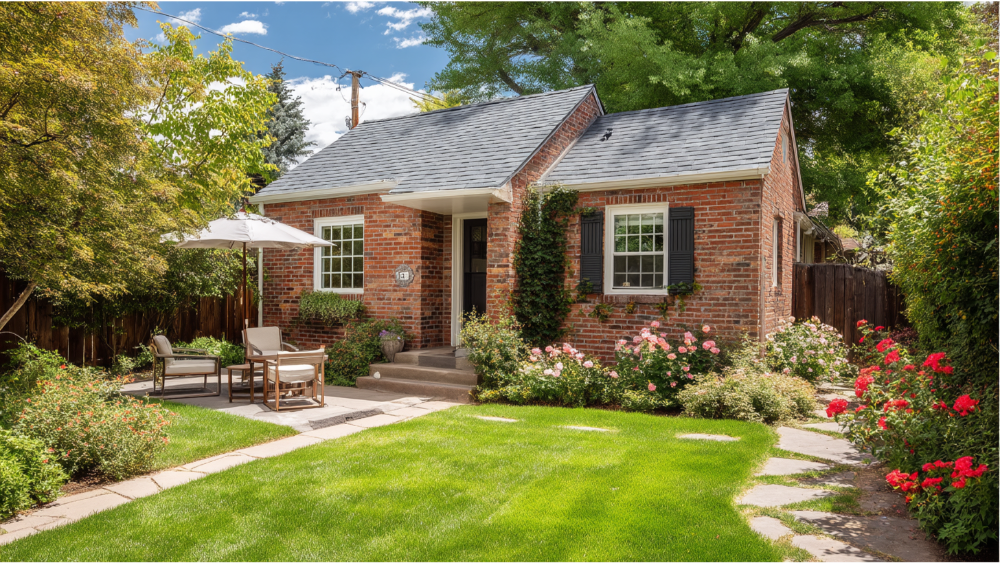
An ADU, or accessory dwelling unit, is a self-contained living space built on your property. It includes its own kitchen, bathroom, sleeping area, and entrance. Unlike a traditional home addition, ADUs are smaller, self-sufficient units that can be attached to the main house, detached in the backyard, or converted from existing space like a garage. The construction process includes design, permitting, site preparation, foundation work, framing, utility connections, interior finishes, and final inspections.
Best ADU construction cost California in Morgan Hill, we’ve noticed that most homeowners assume prefab or modular construction means “faster and cheaper” across the board. That is partially true, but the savings come from factory efficiency, not from skipping steps. You still need city permits, utility connections, foundation work, and final inspections. A unit that arrives partially built is not move-in ready the same day. It needs crane placement, utility hookups, interior finish work, and city sign-off before anyone can live in it.
The types of ADUs available range from garage conversions around 400 square feet to detached new construction exceeding 1,000 square feet. Construction methods include stick-built on-site, modular units built to California Building Code standards, and prefab panelized systems. Each approach has different permitting requirements, foundation needs, and cost structures. Modular units built to HUD or California factory standards generally face fewer inspection hurdles than custom stick-built projects, but they still require local approval and site-specific engineering.
The Real Challenge in Morgan Hill
Santa Clara County has some of the most complex zoning and permitting environments in California. Morgan Hill adopted its own ADU ordinance that complies with state law but adds local requirements around setbacks, height limits, parking, and design review in certain neighborhoods. The city also has specific rules about fire separation, utility meter configurations, and whether the ADU can be sold separately from the main residence. Navigating this without local experience leads to permit rejections, redesigns, and months of delays.
A client Trusted ADU construction cost California in Morgan Hill reached out when their ADU delivery was delayed by eight months because the manufacturer had not accounted for Morgan Hill’s specific side-yard setback requirements. The unit was already built and sitting in a factory lot in the Central Valley. The city required a redesign of the foundation placement and an updated site plan before they would issue the building permit. The homeowner had already paid a significant deposit and was stuck waiting while the manufacturer and the city went back and forth.
Here is the objection most competitors never answer directly: not every property in Morgan Hill qualifies for an ADU. Lot size, existing coverage ratios, utility capacity, and septic or sewer connections all determine feasibility. Some properties have easements, utility corridors, or hillside grading issues that make ADU placement impossible or prohibitively expensive. Companies that sell ADU packages without evaluating your specific site first are setting you up for disappointment. We assess the property before quoting a price because an ADU that cannot be permitted is not a deal, it is a liability.
How HBC Construction Approaches It Differently
HBC Construction does not sell ADU packages and walk away. We start with a site feasibility study that checks lot coverage, setback compliance, utility capacity, and access for construction equipment. We then match the property to builders whose units meet California building standards and whose dimensions fit the available space. Skipping that matchmaking step means you might buy a unit that looks great in a brochure but cannot legally sit on your lot.
We also handle the full permitting chain from Morgan Hill planning review through building inspection and final occupancy sign-off. Most ADU manufacturers deliver the unit and consider their job done. The homeowner is left coordinating foundation contractors, electricians, plumbers, and city inspectors. That gap between delivery and occupancy is where most projects stall. We manage the entire process so the unit actually gets connected, inspected, and approved.
Working with clients Affordable ADU construction cost California in Morgan Hill, our team found that homeowners who want to rent their ADU need to understand rent control implications and tenant rights under local and state law. Santa Clara County has specific regulations around just-cause eviction, rent increase caps, and relocation assistance. We do not give legal advice, but we make sure clients know these issues exist before they commit to building a rental unit. Most generic ADU articles never mention this, but it directly affects whether your investment generates the income you expect.
Practical Tips: What to Know Before You Decide
Before you explore affordable ADU construction cost California options in Morgan Hill, do your homework on these points.
Check your property’s ADU eligibility first. Morgan Hill allows ADUs on most single-family lots, but there are minimum lot size requirements, maximum unit size limits based on your lot dimensions, and coverage ratio caps that include both the main house and the ADU. The city planning department can confirm your eligibility, or a local ADU specialist can run the numbers for you.
Understand the full cost, not just the base price. The unit itself might cost $100,000 to $200,000 depending on size and finishes. Add foundation work, site prep, utility connections, permits, crane rental if needed, interior finish, and landscaping. A realistic total budget for a completed, permitted ADU in Morgan Hill ranges from $200,000 to $400,000. Anyone quoting significantly less is either omitting major costs or planning change orders later.
Ask about the builder’s warranty and what it covers. Factory warranties typically cover structural defects and major systems for a set period, but they often exclude issues caused by improper site preparation or installation. Read the fine print and understand who handles warranty claims if something goes wrong after delivery.
One local market-specific tip: if your property is in a Morgan Hill neighborhood with a homeowners association, check the CC&Rs before you buy anything. Some HOAs prohibit ADUs outright, while others impose design standards that conflict with certain prefab styles. Getting city approval means nothing if your HOA blocks the project. We always ask about HOA restrictions before moving forward.
Why the Right ADU Builder Matters for Your Morgan Hill Property
A properly executed ADU project should give you a permitted, inspected living space that adds value to your property and serves the purpose you built it for. The process takes time, typically eight to fourteen months from initial planning to occupancy, but the result is a fully legal unit that you can rent, house family in, or use as a home office without worrying about code violations.
Conclusion
If you are considering professional ADU construction cost California planning in Morgan Hill, start with a site assessment and a realistic budget. Know what your property allows, what the city requires, and what the total investment looks like before you sign any contracts. HBC Construction handles ADU projects throughout Morgan Hill with the understanding that every lot is different and every homeowner has different goals. Reach out for a feasibility review, and we will tell you exactly what your property can support and what it cannot.
FAQs
How much does ADU construction cost in Morgan Hill, California?
The unit itself ranges from $100,000 to $200,000. With foundation, site prep, permits, utilities, and installation, most homeowners spend $200,000 to $400,000 total. Costs vary by unit size, foundation type, utility distance, and site conditions. Always budget for contingencies.
How do I know an ADU contractor or manufacturer is legitimate?
Verify the manufacturer is certified by the California Department of Housing and Community Development. For local contractors, check licensing through the California Contractors State License Board, verify insurance, and ask for references from completed Morgan Hill ADU projects. Avoid anyone who pressures you to sign before a site assessment.
How long does it take to get an ADU permitted and built in Morgan Hill?
Planning and permitting typically take four to eight months. Factory construction or on-site building takes three to six months. Site prep, delivery, installation, and final inspections add another two to four months. Most projects wrap up within ten to sixteen months total, though complex sites or HOA issues can extend the timeline.
Can I rent out my ADU in Morgan Hill?
Yes, in most cases. Morgan Hill allows ADUs to be rented, but Santa Clara County rent control and just-cause eviction rules may apply depending on the property type and tenant situation. Short-term rentals through platforms like Airbnb are generally prohibited for ADUs under state law. Check local regulations before counting on rental income.
Do I need a special foundation for an ADU in Morgan Hill?
Most ADUs require a permanent foundation, either a concrete slab or a pier-and-beam system engineered for the unit’s weight and local seismic requirements. The foundation must meet California Building Code standards and pass city inspection. Foundation costs typically range from $20,000 to $50,000 depending on site conditions and unit size.