
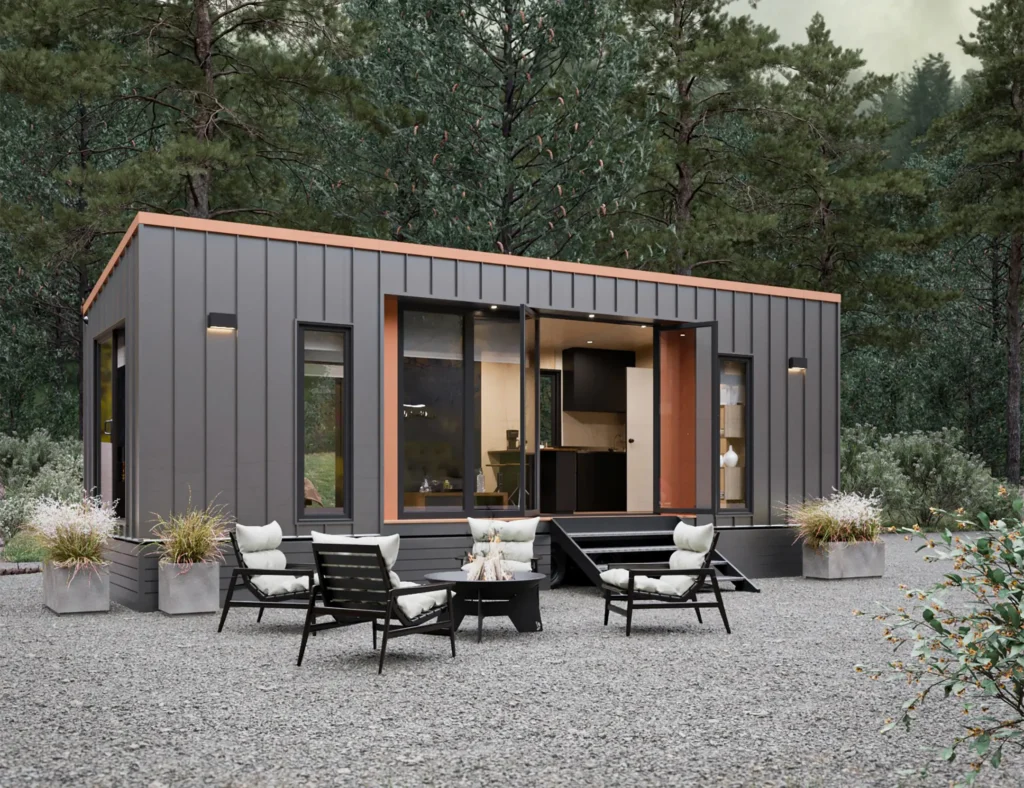
Add income or family space to your property. Best ADU companies in California in Walnut Creek with permit expertise and honest cost guidance for Bay Area homes.
Your parents need a place to live but want their independence. Your adult son moved back home and is sleeping in the guest room indefinitely. Or maybe you are staring at your property tax bill and wondering how to generate rental income without selling your home. Best ADU companies in California in Walnut Creek can help you add a legal, rentable dwelling unit to your property — but the process in Contra Costa County involves more than hanging drywall and adding a bathroom. At HBC Construction, we have guided enough homeowners through Walnut Creek’s specific requirements to know where projects get stuck and how to keep them moving.
What ADU Companies Actually Do
An Accessory Dwelling Unit — ADU — is a self-contained residential unit with its own kitchen, bathroom, sleeping area, and entrance, located on the same parcel as a primary residence. ADU companies handle the full project lifecycle: feasibility assessment, design and planning, permit coordination, construction management, utility connections, and final inspection. The work includes site evaluation, architectural drawings, structural engineering, foundation work, framing, electrical and plumbing rough-in, insulation, drywall, finishes, and coordination with city inspectors at every milestone.
In Walnut Creek, we have noticed that most homeowners assume an ADU is a simple backyard cottage project that any contractor can handle. That misconception leads to budget surprises and permit delays. Walnut Creek follows Contra Costa County’s ADU ordinance, which aligns with California state law but includes local specifics: detached ADUs up to 1,200 square feet, attached ADUs up to 50% of the main dwelling’s square footage, and a 60-day maximum review period for permit applications. The city also enforces the four-foot side and rear setback rule, height limits of 16 feet for detached units, and objective design standards that must be met for ministerial approval.
A proper ADU build starts with a feasibility study that checks zoning, lot coverage, setbacks, utility capacity, and access. Only after confirming these elements do you move to design and permitting. The best ADU in the world is useless if the city denies the permit because the unit encroaches on a utility easement or exceeds the allowable lot coverage.
The Real Challenge in Walnut Creek
Walnut Creek sits in Contra Costa County, about 25 miles east of San Francisco, in a community known for its hillsides, mature tree canopy, and strict environmental protections. The combination of sloped lots, oak woodland regulations, and high property values creates a unique regulatory landscape. The city actively encourages ADUs to meet state housing mandates, but the terrain and existing infrastructure create practical challenges that flatland contractors underestimate.
The local building stock adds complexity. Walnut Creek has a mix of mid-century homes, 1970s split-levels, and newer construction on hillside lots. Many properties have limited flat areas suitable for construction, requiring retaining walls, grading, and specialized foundation work that adds significant cost. The city’s oak tree protection ordinance may require arborist reports and mitigation measures if construction affects protected trees. Utility connections — especially sewer capacity in older neighborhoods — can require expensive upgrades or trenching through established landscaping.
A client in Walnut Creek reached out when their ADU project had been stalled for six months. Their previous contractor had designed a detached unit without accounting for the steep slope of their lot, and the city required a geotechnical report and revised foundation plans that the contractor could not provide. We brought in a soils engineer, redesigned the foundation as a post-tensioned slab on grade with retaining walls, and resubmitted to the city. The permit was approved within three weeks, and the ADU was completed four months later. It now generates $3,200 monthly in rental income.
The objection most competitors ignore: “Can I actually afford this, or will costs spiral out of control?” Affordable ADU companies in California in Walnut Creek exist, but the real savings come from accurate upfront assessment. Most detached ADUs in the area range from $150,000 to $300,000 depending on size, site conditions, and finishes. Garage conversions typically cost less, from $80,000 to $150,000. Contractors who quote $50,000 are either omitting critical infrastructure work or planning to hit you with change orders once construction starts. The gap in the market is transparent pricing tied to a detailed scope — showing you exactly what the site requires versus what the finishes cost, so you can make informed decisions about where to invest.
How HBC Construction Approaches It Differently
Most ADU companies in the Bay Area treat projects as standardized builds: apply a pre-designed plan, submit for permit, and construct. We do not work that way. Every Walnut Creek project starts with a site-specific feasibility assessment that includes topographic survey, geotechnical evaluation when slopes are present, utility capacity verification, and oak tree impact assessment. We identify regulatory hurdles before design begins, not after the permit is rejected.
Professional ADU companies in California in Walnut Creek need to understand the city’s specific requirements. Walnut Creek requires permits through the Community Development Department, with plan review for structural, electrical, plumbing, and energy compliance. The city follows the California Building Code with local amendments, including hillside construction standards and oak tree protection. We coordinate these reviews in parallel rather than sequentially, and we know the specific documentation each department requires. This approach saves months compared to contractors who submit incomplete applications and wait for correction cycles.
Here is the insight most generic articles never mention: your ADU’s rental income potential depends heavily on whether you design for long-term tenants from the start. Walnut Creek requires ADUs to be rented for 30 days or longer — no short-term rentals. Long-term tenants prioritize storage, laundry hookups, sound separation from the main house, and private outdoor space. Designing for these needs — built-in closets, stacked washer-dryer connections, insulated shared walls, and a small patio — increases rentability and tenant retention significantly. We have seen identical square footage generate 25% higher rent simply because of smart layout decisions made during design.
Practical Tips: What to Know Before You Decide
If you are comparing ADU companies, ask specifically about their experience with hillside lots, their permit approval timeline, whether they handle utility coordination, and how they manage change orders. Any company that cannot explain Walnut Creek’s setback requirements, height limits, or oak tree protections is learning on your dime. The city requires detailed site plans, elevation drawings, and structural calculations — vague promises of “handling the paperwork” are a red flag.
Working with clients in Walnut Creek, our team found that homeowners who get the best long-term results are the ones who think about utility separation before construction starts. Independent electric meters allow tenants to pay their own PG&E bills and simplify your tax reporting. Separate water submeters prevent disputes over usage. Gas line extensions for heating and cooking need early planning — retrofitting them after walls are closed costs three times more. These infrastructure decisions do not show up in photos, but they determine whether your ADU operates as a smooth rental business or a constant source of landlord headaches.
One local market-specific tip: Walnut Creek’s hillside terrain and expansive clay soils create unique foundation challenges that flatland contractors underestimate. Seasonal soil movement on sloped lots can crack standard foundations and separate walls from slabs. A geotechnical assessment — typically $3,000–$5,000 — identifies these risks before you invest in finishes that will crack along with the slab. We always recommend this step for hillside properties, and we design foundations specifically for the soil conditions we find. Skipping this step to save money is a gamble that rarely pays off in Walnut Creek’s terrain.
Trusted ADU companies in California in Walnut Creek deliver projects that survive the regulatory process, meet all city requirements, and generate reliable income for decades. If a quote seems too good to be true, it usually means shortcuts somewhere — unpermitted electrical, no geotechnical assessment, inadequate foundations, or finishes that will not hold up to tenant use.
Why Your Walnut Creek Property Deserves More Than a Quick Build
The difference between an ADU that generates steady income for 20 years and one that becomes a money pit in five is not the countertop material — it is the planning that happened before the first wall came down. Walnut Creek’s hillside terrain, oak tree protections, and utility infrastructure demands punish shortcuts harder than simpler municipalities. The same conditions that make this area desirable — mature trees, scenic hillsides, established neighborhoods — also create constraints that inexperienced contractors miss.
Conclusion
If you are considering adding an ADU to your Walnut Creek property, the question is not whether it makes sense — it is whether you do it with a partner who understands the city’s specific requirements. HBC Construction provides ADU services in Walnut Creek with the site assessment, permit expertise, and construction management that match what Contra Costa County projects actually demand. Schedule a free feasibility review and we will show you exactly what your property needs to add legal, rentable living space.
FAQs
How much does an ADU cost in Walnut Creek, CA?
A typical detached ADU runs $150,000–$300,000 depending on size, site conditions, and finishes. Garage conversions cost $80,000–$150,000. Hillside lots with retaining walls and specialized foundations add $30,000–$75,000. Walnut Creek permit fees, utility connections, and geotechnical reports add $10,000–$20,000 to most projects.
How do I know an ADU company is legitimate and qualified?
Verify their California Class B contractor license through the CSLB, confirm general liability and workers compensation insurance, and ask for Walnut Creek-specific permit references. Qualified companies explain the city’s setback, height, and oak tree requirements, provide written warranties, and never suggest starting construction before all permits are approved.
How long does it take to build an ADU in Walnut Creek?
Most projects take 12–18 months from initial feasibility through final certificate of occupancy. The permitting phase typically requires 3–6 months for plan review and approval through the Community Development Department. Construction itself runs 4–8 months depending on scope and site conditions. Hillside projects often take longer due to specialized foundation work.
Do I need to replace parking when I build an ADU?
No. California state law prohibits cities from requiring parking replacement when converting a garage to an ADU. For new detached ADUs, parking is not required if the unit is within one-half mile of public transit or in certain other exempt conditions. Walnut Creek follows these state mandates.
Can I rent my ADU on Airbnb or short-term platforms?
No. Walnut Creek requires ADUs to be rented for 30 days or longer. Short-term rentals of fewer than 30 days are prohibited. This rule supports stable long-term tenancy and protects neighborhood character. Design your unit for long-term tenant needs — storage, laundry, privacy — rather than vacation rental aesthetics.