
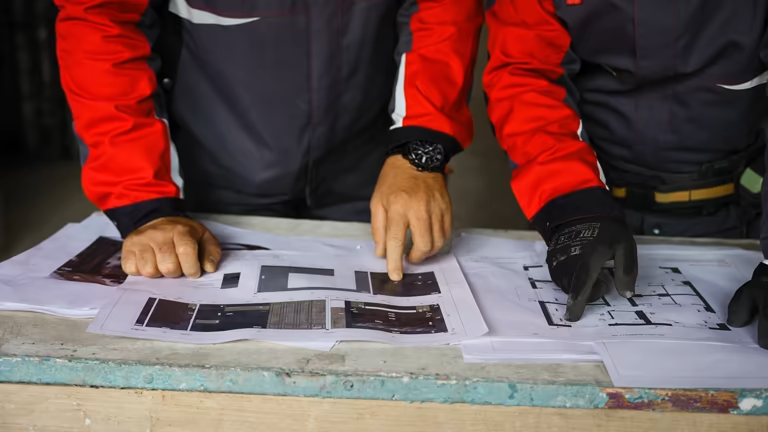
Explore HBC Construction’s premium ADU permitting and regulations guide in Woodside, offering reliable, high-quality insights for homeowners.
Building an Accessory Dwelling Unit (ADU) in Woodside can be a great way to expand your living space, increase property value, or provide rental income. However, navigating the permitting and regulations process can seem complex without the right guidance. At HBC Construction, we provide a premium ADU permitting and regulations guide in Woodside that ensures your project complies with local rules while saving you time and effort. This comprehensive guide walks you through everything from zoning requirements to permit applications and compliance checks.
Understanding ADUs in Woodside
An Accessory Dwelling Unit (ADU) is a secondary living space on a single-family lot. ADUs come in various forms:
Detached ADUs: Standalone units separate from the main house
Attached ADUs: Units connected to the main structure but with a private entrance
Garage Conversions: Repurposing an existing garage into a livable unit
Interior ADUs: Adding a living space within the main home, such as a basement apartment
Woodside has specific zoning laws, building codes, and occupancy regulations that homeowners must follow. Our high-quality ADU permitting and regulations guide in Woodside ensures you understand these requirements before you start construction.
Key Regulations for ADUs in Woodside
Before applying for a permit, it’s essential to know the local regulations that impact ADU construction:
1. Zoning Requirements
ADUs in Woodside are generally allowed in single-family residential zones. Regulations include:
- Maximum unit size based on lot size
- Minimum setbacks from property lines
- Height restrictions
- Parking requirements
Our reliable ADU permitting and regulations guide in Woodside outlines these zoning requirements in detail so your project meets all legal standards.
2. Building Codes and Safety Standards
ADUs must comply with the California Building Code, covering:
- Structural integrity and framing
- Electrical and plumbing systems
- Fire safety and egress
- Energy efficiency standards
Following these codes is critical to ensuring your ADU is safe, functional, and approved by the city.
3. Impact Fees and Utility Connections
Woodside may require impact fees or utility connection fees for new ADUs. These costs help fund infrastructure improvements but can vary depending on unit size and type. Our guide helps you estimate and plan for these expenses.
4. Occupancy and Rental Restrictions
While ADUs provide rental income opportunities, Woodside has rules about occupancy:
- Owner occupancy may be required for certain unit types
- Maximum number of tenants allowed
- Short-term rental restrictions
Understanding these rules ensures your ADU investment aligns with local laws.
The ADU Permitting Process in Woodside
Obtaining permits is a crucial step for legal construction. Our premium ADU permitting and regulations guide in Woodside breaks it down into actionable steps:
1: Pre-Application Planning
Before applying, gather information about your property, including:
- Lot dimensions
- Existing structures
- Utility connections
Consulting our guide at this stage helps avoid costly mistakes and ensures compliance from the outset.
2: Submit a Permit Application
ADU permit applications in Woodside generally require:
- Detailed architectural plans
- Site plans showing setbacks and access
- Structural and engineering reports
- Compliance with fire and safety regulations
Our high-quality ADU permitting and regulations guide in Woodside provides checklists to ensure all documents are accurate and complete.
3: City Review and Approval
The city of Woodside reviews your application for:
- Zoning compliance
- Building code adherence
- Environmental impact (if applicable)
Working with a knowledgeable team like HBC Construction can speed up this process and prevent delays due to incomplete applications.
4: Inspections During Construction
ADUs must pass several inspections throughout construction, including:
- Foundation and framing
- Electrical, plumbing, and HVAC
- Final inspection before occupancy
Our guide outlines inspection requirements and tips to ensure your ADU passes the first time.
Tips for a Smooth ADU Construction in Woodside
To make your ADU project successful, consider these best practices:
Hire Experienced Professionals
Working with licensed contractors and architects ensures your ADU meets all codes and standards.
Start with a Clear Budget
Include construction, permit fees, impact fees, and utility connections to avoid surprises.
Stay Updated on Regulations
Woodside may revise ADU laws. Our reliable ADU permitting and regulations guide in Woodside keeps you informed of updates.
Plan for Sustainability
Incorporating eco-friendly features, such as energy-efficient appliances and solar panels, can reduce costs and increase property value.
Document Everything
Maintain detailed records of permits, inspections, and approvals for future reference or resale purposes.
Benefits of Following the ADU Regulations Guide
Using a trusted guide like HBC Construction’s premium ADU permitting and regulations guide in Woodside offers several advantages:
Compliance Assurance: Avoid fines and legal issues
Faster Approval: Complete and accurate permit applications
Cost Efficiency: Minimize redesigns and corrections
Increased Property Value: Well-planned ADUs enhance your home’s marketability
Peace of Mind: Know your project is following all local and state regulations
Common Challenges and Solutions
Even with guidance, homeowners may face hurdles. Our modern ADU permitting and regulations guide service addresses common issues:
Zoning Conflicts: Verify zoning before designing the unit
Permit Delays: Submit complete, detailed applications
Cost Overruns: Plan budget with contingency funds
Inspection Failures: Pre-check plans with professionals to meet standards
Addressing these challenges proactively saves time and money.
Conclusion
Constructing an ADU in Woodside can be a rewarding investment, but it requires careful planning and adherence to regulations. HBC Construction’s efficient ADU permitting and regulations guide in Woodside provides homeowners with reliable, high-quality information to navigate zoning, permits, inspections, and compliance efficiently. By following this guide, you ensure a smooth process, legal compliance, and a successful ADU project that adds value to your property.
FAQs
Q1: What is the maximum size allowed for an ADU in Woodside?
A: The maximum size depends on your lot size and zoning. Detached units generally range from 800–1,200 sq. ft., while attached units are smaller. Our guide provides exact limits.
Q2: Do I need a separate utility connection for my ADU?
A: Often, yes. ADUs may require independent connections for water, electricity, and sewer. Fees vary based on unit size and property setup.
Q3: Can I rent out my ADU immediately after construction?
A: You must first obtain a certificate of occupancy. Some ADUs may have owner-occupancy or short-term rental restrictions, depending on the type.
Q4: How long does the permitting process take in Woodside?
A: Typically, the process takes 2–4 months, depending on permit completeness, zoning, and review requirements. Using our guide can speed this up.
Q5: Are ADUs subject to fire safety codes?
A: Yes. All ADUs must comply with fire safety, including proper exits, smoke alarms, and sometimes sprinklers, depending on size and design.
Q6: Can I convert an existing garage into an ADU?
A: Yes. Garage conversions are common ADUs. Ensure compliance with building codes and permits, as detailed in our reliable ADU permitting and regulations guide in Woodside.